


Project Overview
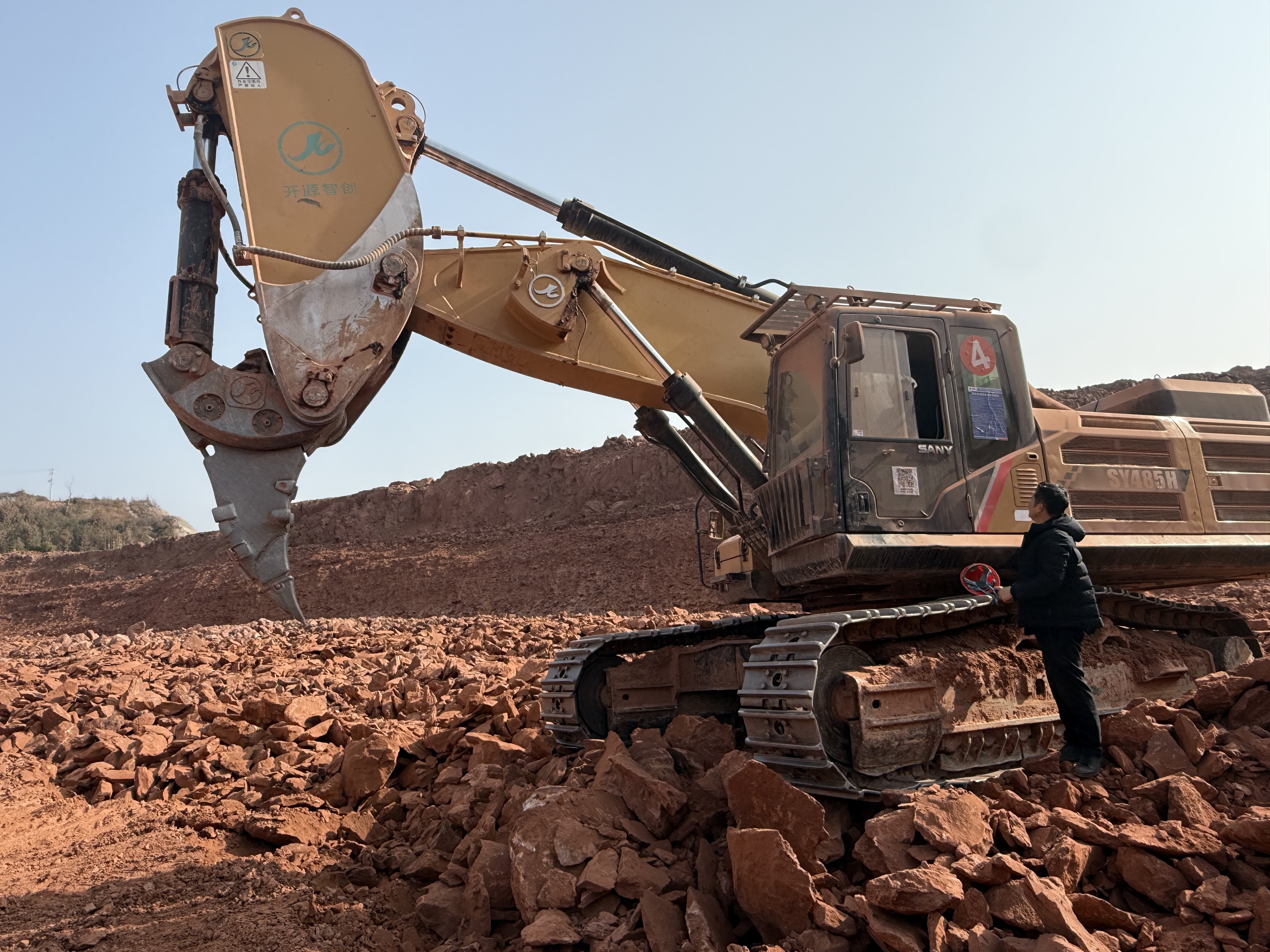
Chengdu, a core city in western China, is accelerating the construction of major water conservancy projects to optimize urban water resource allocation and ensure water supply security. Among them, Lijiayan Reservoir (the second water source of Chengdu) and Saba Reservoir (the third water source) are key national water conservancy projects, undertakings of great significance for safeguarding urban water supply, flood control, irrigation and ecological protection — 四川省水利厅. These projects feature complex geological conditions, with a large amount of hard rock excavation, foundation trenching and slope shaping works, which put forward high requirements for construction efficiency, equipment stability and environmental protection.
Customer Challenges
The reservoir construction site is located in a mountainous area with dense vegetation and complex terrain, mainly facing the following pain points:
- 1
Hard Rock Excavation Difficulty The stratum is dominated by weathered rock, sandstone and hard shale, with high rock hardness, making traditional excavation methods inefficient.
- 2
Blasting Restrictions The project is close to urban areas and ecological protection zones, with strict restrictions on blasting construction — high safety risks, large dust and vibration, and complex approval procedures.
- 3
High Efficiency & Schedule Pressure As a key livelihood project, the construction period is tight, requiring continuous and efficient operation of equipment to ensure the progress of key nodes such as dam foundation excavation and tunnel construction.
- 4
Harsh Working Conditions Long-term heavy-load operation, complex working conditions such as steep slopes and narrow construction spaces, requiring equipment with high structural strength and durability.